
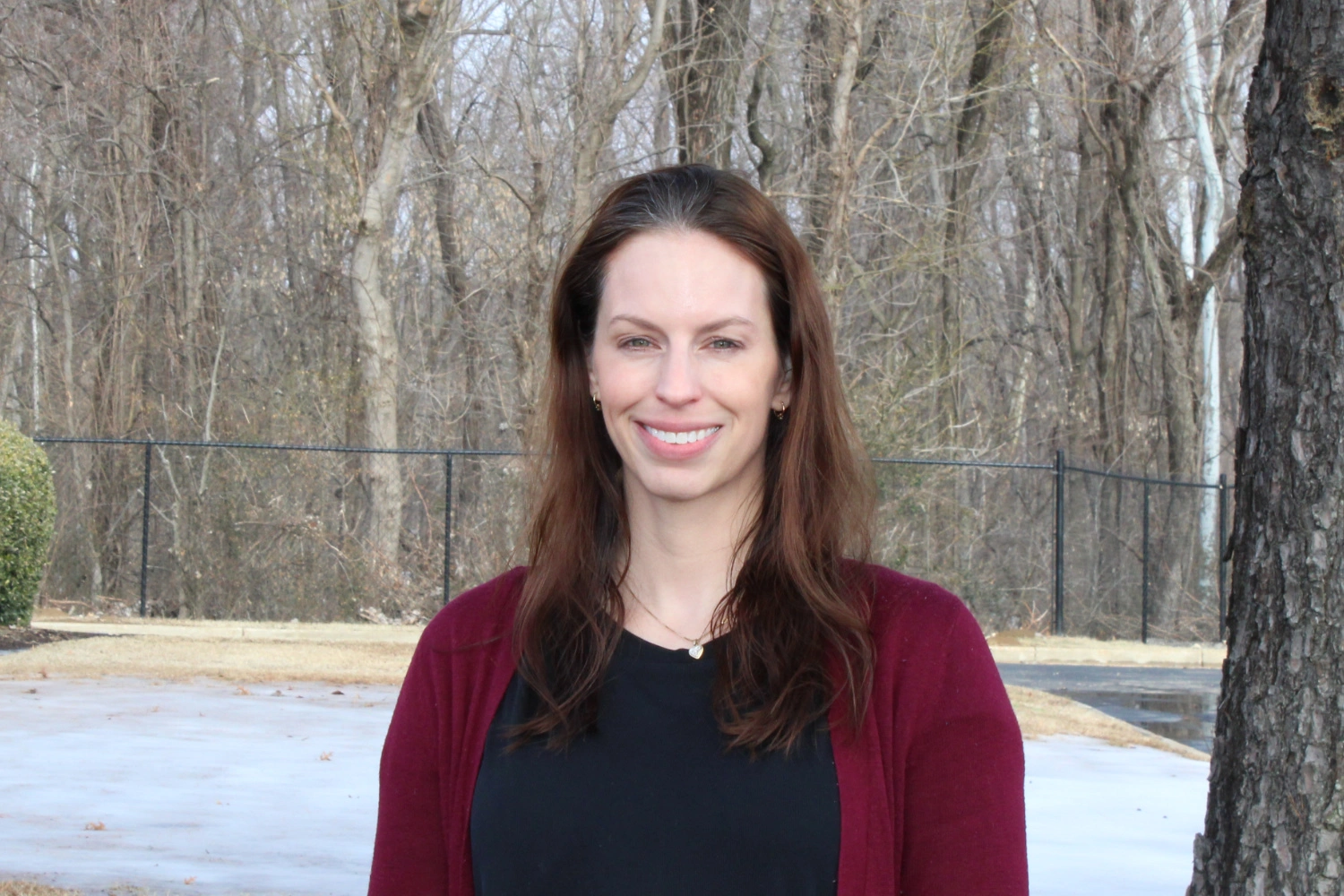
Image above: Jennifer Davis, Memphis Allies SWITCH program clinical supervisor
Memphis Allies Clinical Supervisor Jennifer Davis: ‘Pain is universal.’
Fight. Flight. Freeze. Imagine living every day within one — or all — of those three realms. Many Memphis Allies participants, living in environments rife with gun violence, have been doing just that.
Jennifer Davis, a clinical supervisor in the SWITCH (Support with Intention to Create Hope) program, said many participants began experiencing trauma before they were old enough to have memory of it. Soon enough, however, abuse or neglect that many experienced in their homes became a stack of painful memories.
That background, Davis said, is the perfect setup for a gang or a clique to hold appeal as a surrogate family, adding, “Young boys need men to look up to.”
But when they’re the wrong men, there are new risks. To be affiliated is to be a potential target for retribution even if the situation driving the retaliation has nothing to do with you.
“They realize that at any time, someone in a car could pull up on them,” Davis said. “Imagine living every day wondering if you’re going to get shot.”
Brain-changing trauma
Memphis Allies serves more than 600 participants every day. Just under 70% of them have been shot or shot at in the past.
“When we experience extreme stressors,” Davis said, “it changes our brains.”
Most SWITCH participants were introduced to the program by Memphis Allies’ outreach specialists. Once in programming, they gain access to a life coach, case manager, vocational/educational coordinator, and a team of clinical professionals like Davis.
“By the time they come to us,” Davis said, “they are at least entertaining the idea of change.”
But openness to clinical therapy is oftentimes the tallest hurdle. And Davis, as a white woman, perhaps has even more to overcome in her efforts to get participants to speak about their trauma, grief or fear.
“A lot of the guys are tight-lipped,” Davis said. “They don’t want to share their personal trauma. And that’s fine, but they are going to hear about how to cope with it. The ones that do open up feel a lot better.
“Even if they don’t tell me what they’ve been through, we still talk about how to cope with it, how it changes your brain, about allowing yourself to feel calm so you’re no longer in fight, flight or freeze, and then we talk about the future.”
By the time they come to us, they are at least entertaining the idea of change.
– Jennifer Davis
Memphis Allies SWITCH program clinical supervisor
‘Skills beyond her training’
After previously working for Youth Villages in its Intercept program, Davis returned to serve as a clinical specialist for Memphis Allies. She recently was promoted to a supervisor role but still has frequent contact with participants.
Brittney Ragin, director of clinical programs at Memphis Allies, explained why Davis is effective working with young men who, at first glance, share little in common with her.
“Part of it is she’s self-aware,” Ragin said. “Jennifer knows she has that barrier. She’s spent time building relationships with life coaches and outreach specialists and leveraged that to help bridge that gap.”
When participants are less than truthful, or not wanting to talk, Davis has a strategy.
“She asks questions in a way so the questions don’t feel punitive,” Ragin said. “She stays curious. And eventually, the person must process their own (untruths).”
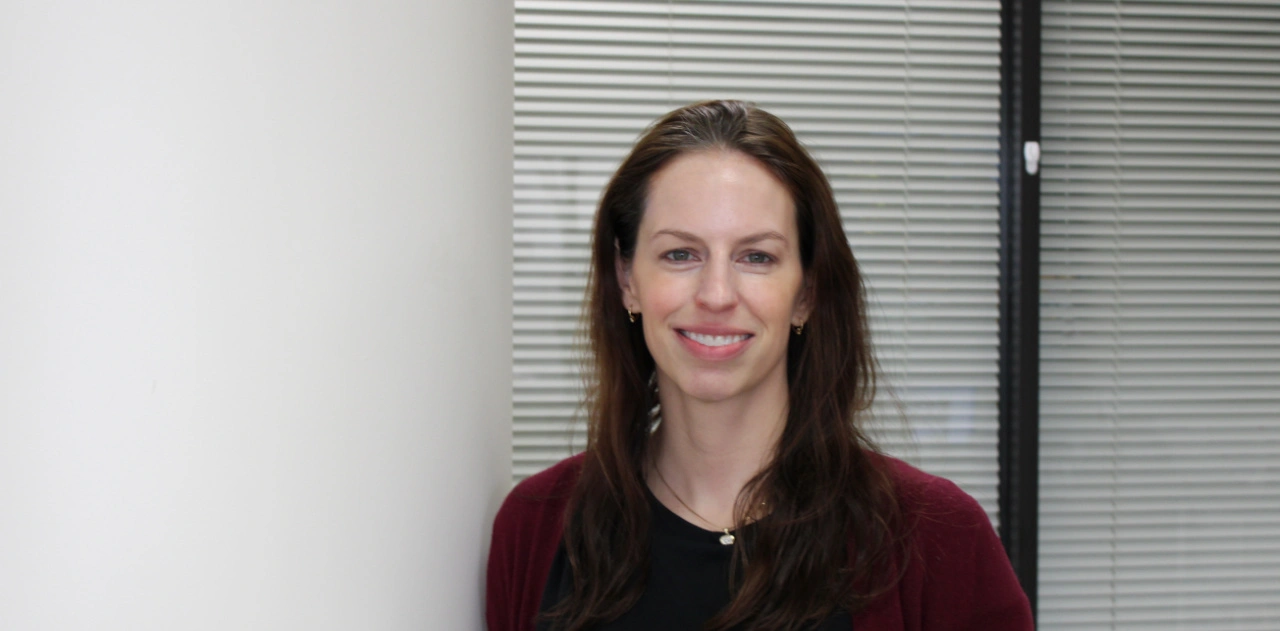
Davis also shares some of her personal story with participants, so they know life has not always been easy for her: “Trauma is a universal thing. Pain is universal.”
Something else Davis has learned: it is impossible to know which participants will commit to making life-altering changes and which ones won’t. That means every conversation, every word, matters.
“I’ve seen so many positive 180s,” she said, referring to both her work with Intercept and SWITCH. “You can’t predict who it will be.”
What Davis can say, without exception, is participants who have traveled a rough road want better for their children, and this provides tangible motivation for change.
“All of these guys don’t want their sons to be in a gang,” Davis said. “And they enjoy being in their children’s lives.”
More News
Reducing gun violence in Memphis: ‘Progress, not completion’
On Saturday, Sept. 19, the Memphis Shelby County Crime Commission served as a host of a community town hall at First Baptist Church Broad. The purpose was to acknowledge the progress in reducing gun violence, but to also make clear there is still a long way to go.
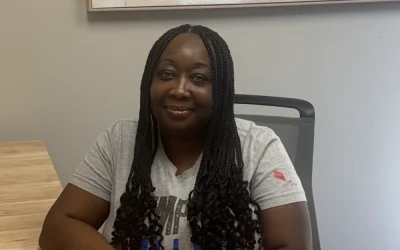
Switch Youth Life Coach Sandra Chapman: Commitment beyond the training
Sandra Chapman dropped out of high school, but she never lacked an education.
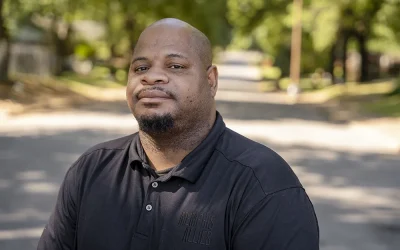
Honoring Bryan Mathis: The work must go on
Four years ago, Memphis Allies began its outreach efforts in Frayser. Bryan Mathis and his brother Brandon — twins born four minutes apart — were on the frontlines, finding the people at the highest risk for gun violence.