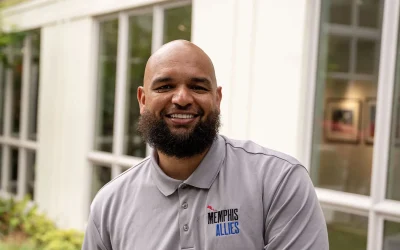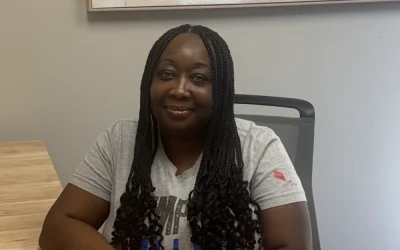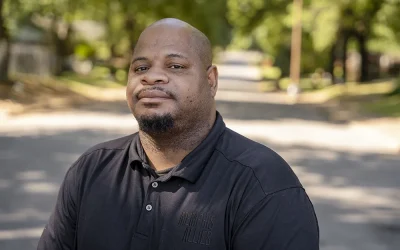
He goes by the name “Mane Man.” When the leader of his clique was arrested, Mane Man stepped up, became the gang’s interim leader.
Eventually, Mane Man made another decision: he enrolled in Memphis Allies’ SWITCH (Support with Intention to Create Hope) program.
He did not come alone.
“Some of those skills from the street, we were able to use,” said Willie Rodgers, a SWITCH regional supervisor. “(Mane Man) single-handedly brought us eight or nine participants who were also high risk.”
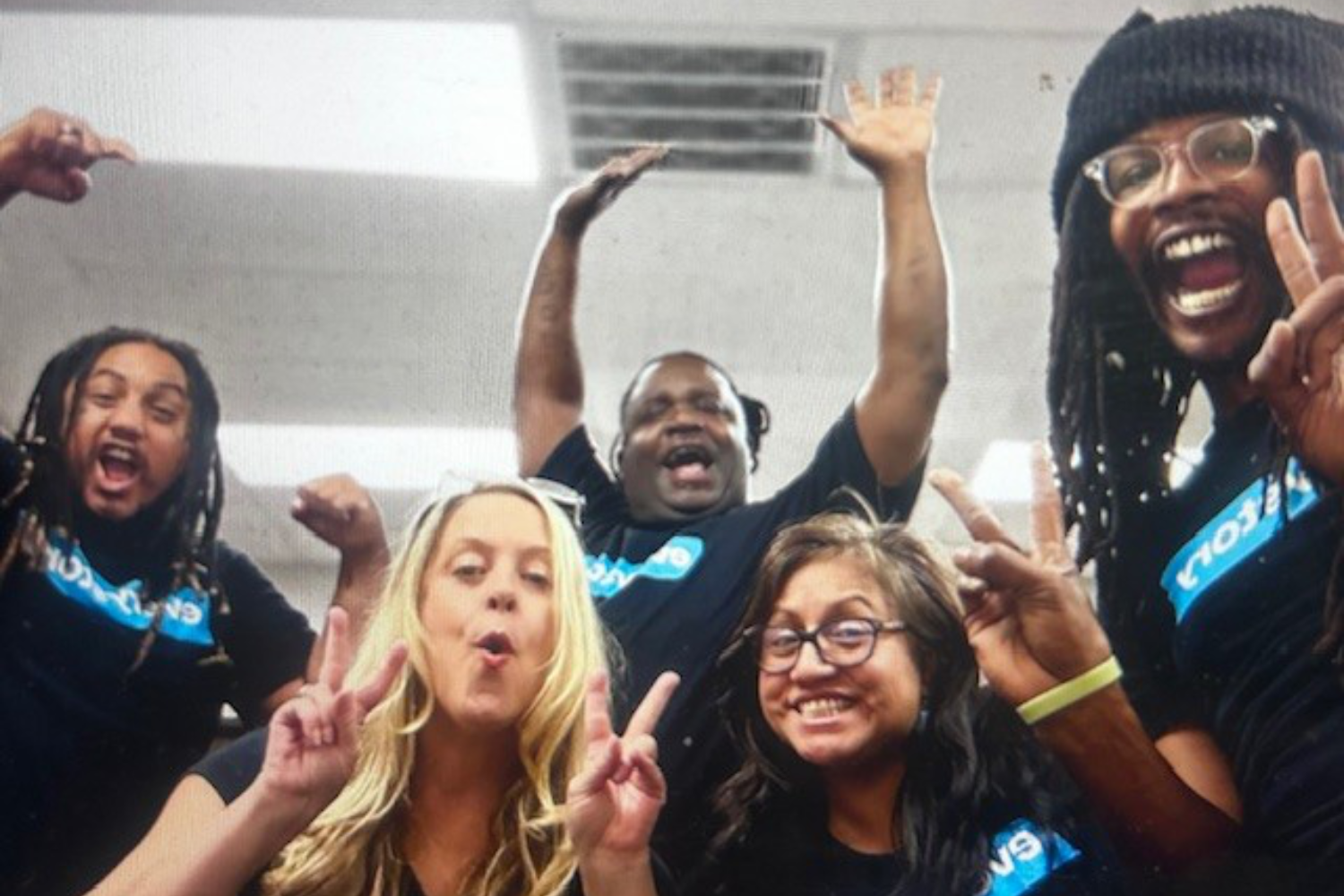
It proved to be an opportunity. Mane Man and his clique were formed into a cohort that worked with Everystory, powered by Memphis-based Playback Theatre group, seeking to transform lives through story sharing and research-backed social-emotional learning.
“It’s almost like sitting around the campfire and hearing each other’s stories,” said Virginia Reed Murphy, founder of Everystory and director of advancements and partnerships. “A lot of what we use are metaphors and symbolism, rather than the literal. You want a person to feel seen in a way they weren’t even seeing themselves.”
Some of those skills from the street, we were able to use
Willie Rodgers
Memphis Allies SWITCH program regional supervisor
‘They’re all cool people’
“Nick” is part of the same clique as Mane Man and is 21 years old.
“I wasn’t trusting it at first,” Nick said. “But Virginia, all of them, they’re all cool people. It was just learning how to cope with day-to-day life.”
Mane Man, despite his comfort with taking on a leadership role in his clique, said he had never been at ease around strangers.
“At first, I thought this was crazy,” he said. “But as I sat there and paid attention, it was fun. I liked it. I learned I don’t have to be shy.”
The cohort, known as “Be the Peace,” included seven participants. Everystory’s program structure focused on developing six core attitudes—gratitude, non-judgment, curiosity, patience, trust and humor. Each session combined reflection and Playback Theatre training to build empathy and resilience.
In a survey administered after the program, 71% said they felt an improvement in their emotions and wellbeing.
Participants, Murphy agreed, showed significant emotional shifts, but especially around gratitude for life. Nick, for example, had been in a severe car accident and was grateful for his recovery. Before joining the cohort, Nick said he considered suicide because of his lifestyle, his anger and his depression.
“I don’t look for trouble, but I’m in trouble,” Nick said. “This helped me deal with situations, and what went wrong in those situations.”
‘Breathe in, breathe out’
What will stay with Mane Man is the in-the-moment importance of self-regulating his emotions.
“Breathe in, breathe out,” he said. “That calmed me down. If a situation gets too intense, I could walk away — if it hasn’t gone too far.”
Mane Man has pending gun and auto theft charges. If he can stay clean over the next year, he said those charges will be dropped. So, staying calm and walking away is more critical than ever.
There is the possibility that Mane Man, Nick and others in the group will participate in another Everystory course while advancing through SWITCH programming. When they finished this course, they performed in front of about 30 people.
Brittney Ragin, director of clinical programs for Memphis Allies, was more than impressed.
“From the outside looking in, it’s easy to think that these high-risk people would not want to be acting,” she said. “But after watching their performance, I was amazed they could be self-aware of their emotions and speak to them.”
Mane Man can now also speak to something else: he’s got some acting chops.
“A little bit,” he said with a grin. “A little bit.”